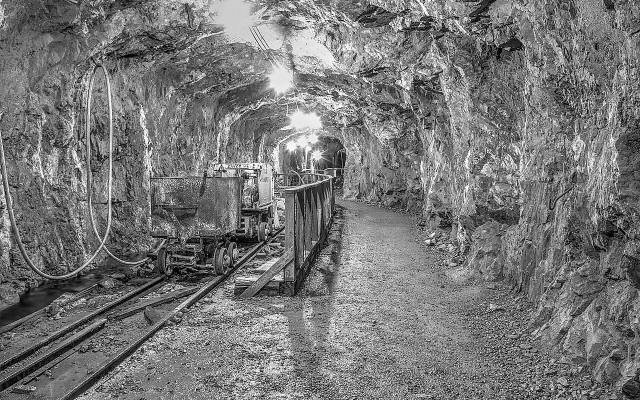
 Mine tour
Season: Late spring to early autumn
Old gold mine tour in Silverton
- A ride deep into a real mine
- Old miners’ tools and stories
History
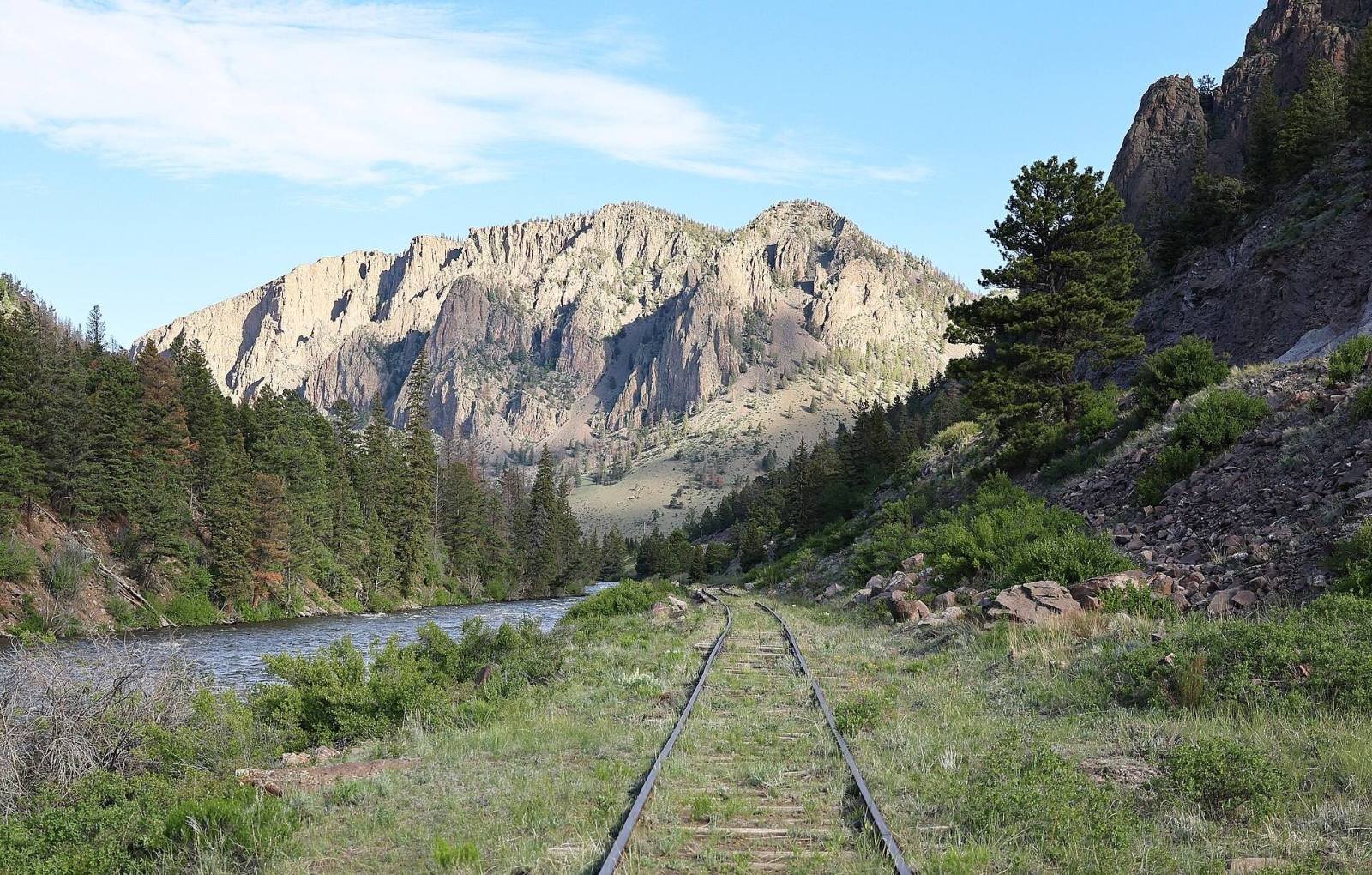
For a few wild months in 1892, Creede was the most talked-about town in Colorado. Silver poured out of the mountains, the trains arrived packed with fortune-seekers, and the saloons never closed. The poet Cy Warman summed it up in a line that has followed the town ever since: “It’s day all day in the day-time, and there is no night in Creede.”
In 1889 a prospector named Nicholas Creede found signs of silver along Willow Creek, in the canyon above today’s town. In 1890 he staked the Holy Moses claim, and soon other rich mines were found nearby, among them the Amethyst, the Last Chance and the Commodore. By late 1891, the Denver and Rio Grande Railroad had built a branch line up the valley, and the rush began.
By 1892, thousands of people were crammed into the narrow canyon, living in tents and shacks and doing business in hastily built saloons and gambling halls. The confidence man Soapy Smith ran the town’s underworld from his Orleans Club, and the lawman Bat Masterson managed a gambling hall.
Robert Ford, the man who had shot Jesse James, opened a tent saloon in Creede. On 5 June 1892 a fire swept through the business district and destroyed most of it. Three days later, on 8 June, Ford was shot dead in his saloon by Edward O’Kelley.
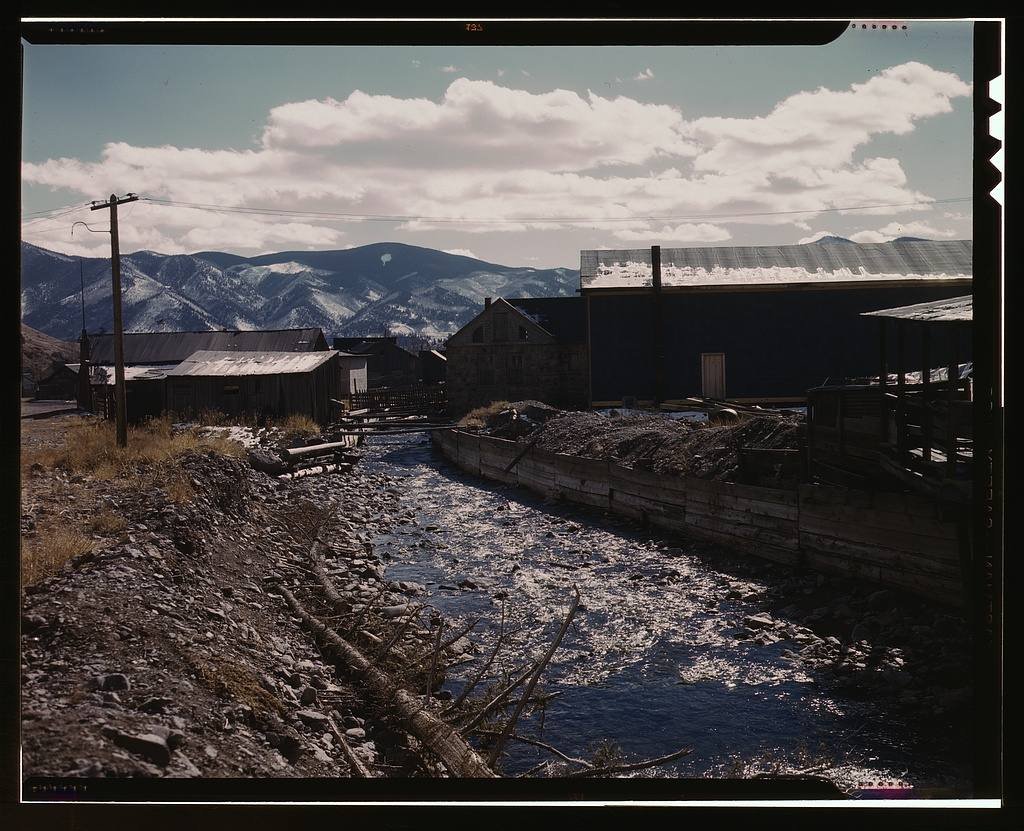
In 1893 the price of silver collapsed, and the boom was over almost as fast as it had begun. Yet Creede never became a ghost town. Its mines kept working, on and off, for almost a century, producing silver, lead and zinc until 1985. The town of Bachelor, up on the hill, was not so lucky, and today it is just a meadow.
Book ahead
Mine tour
Season: Late spring to early autumn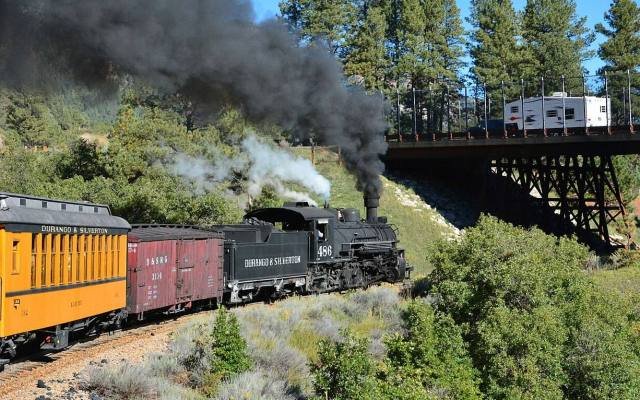 Heritage railway
Season: Spring to autumn
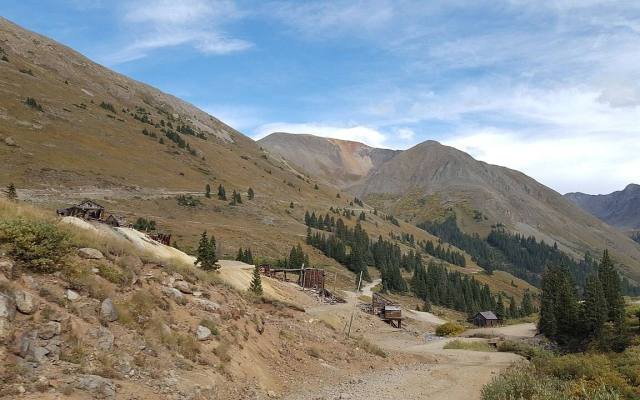 4x4 tour
Season: Summer to early autumn
Keep reading
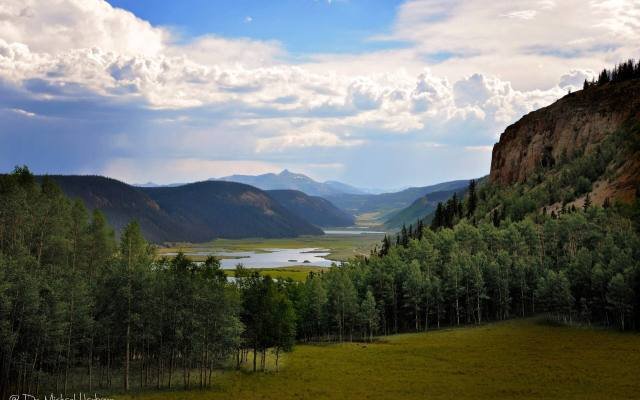 Planning
The mining museum, the Bachelor Loop, a night at the theatre, North Clear Creek Falls and Lake City in three days, with tips on timing and what to book.
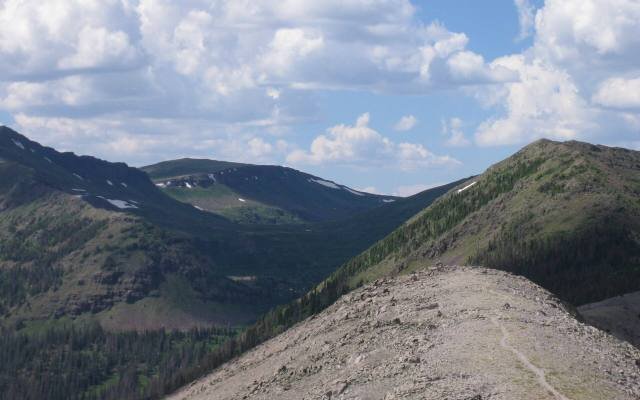 Outdoors
Short walks to waterfalls, the long trail to the Wheeler Geologic Area, the Continental Divide Trail and two of the great peaks of the San Juans, with safety tips for high-altitude hiking.
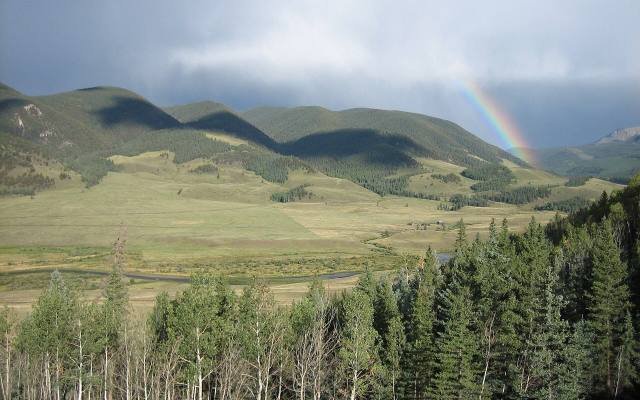 Outdoors
Where to fish the Rio Grande and its tributaries around Creede, when to come, what you need and why a guide is worth it on a river with so much private bank.